INTRODUCTION
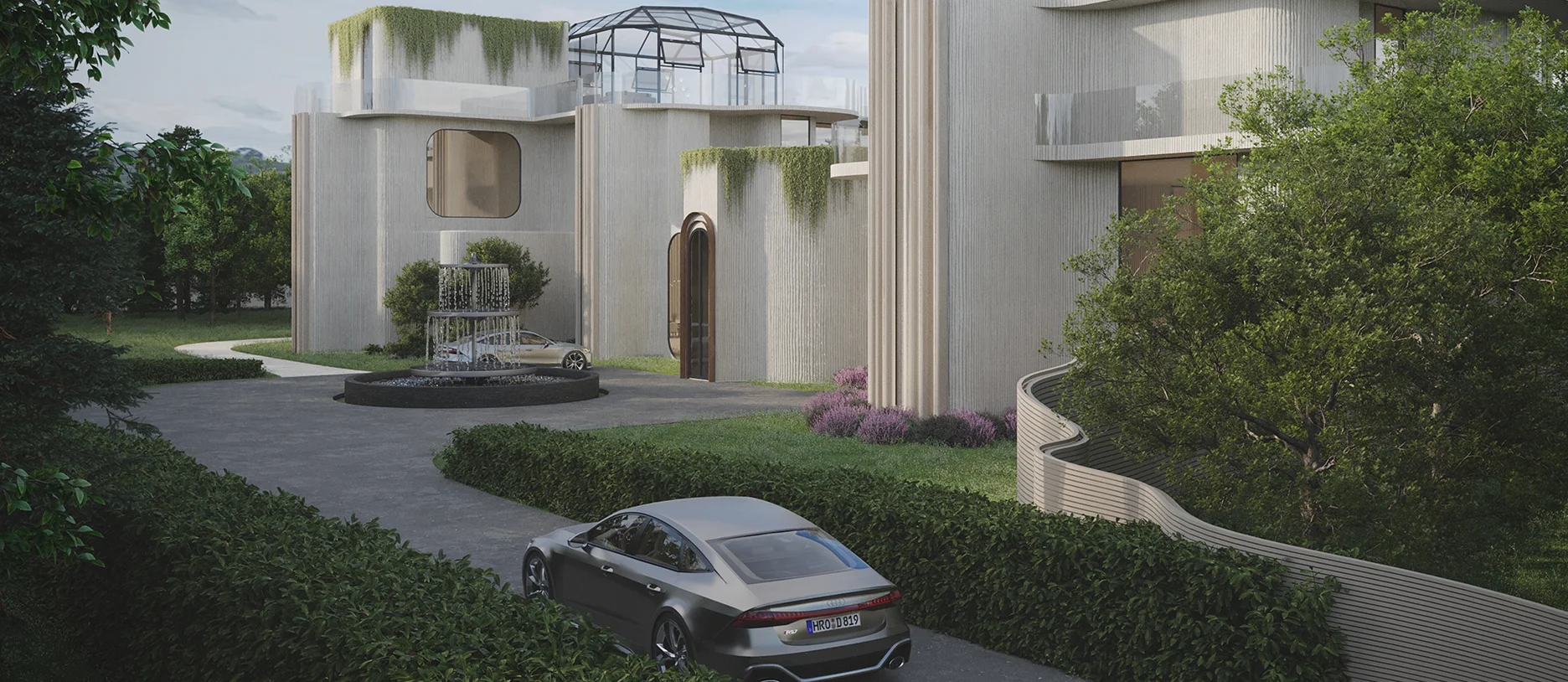
When it comes to architectural visualization, lighting plays a fundamental role in shaping how a space is perceived. Even the most detailed 3D model can appear artificial if the lighting setup is poorly executed.
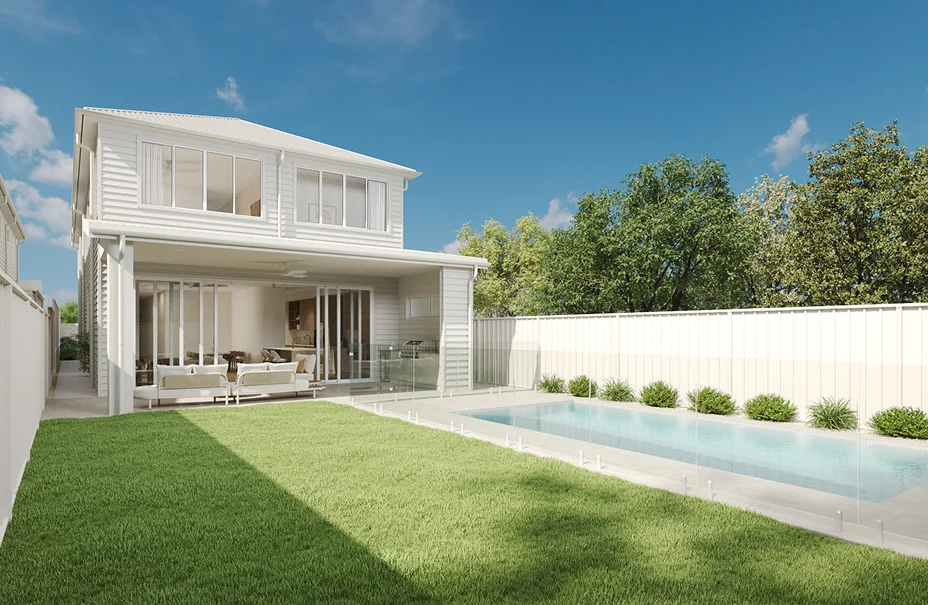
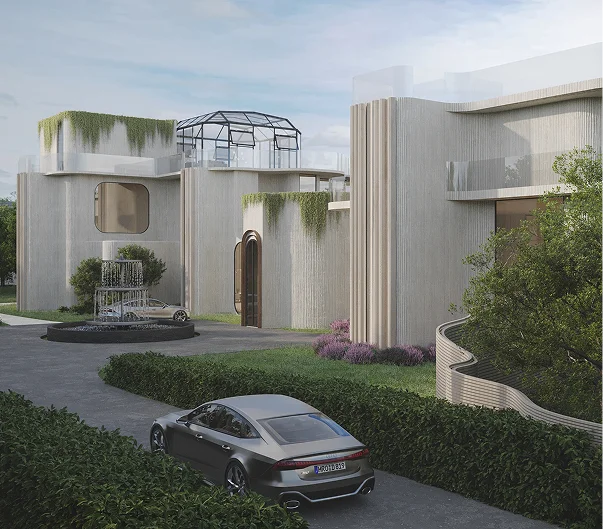
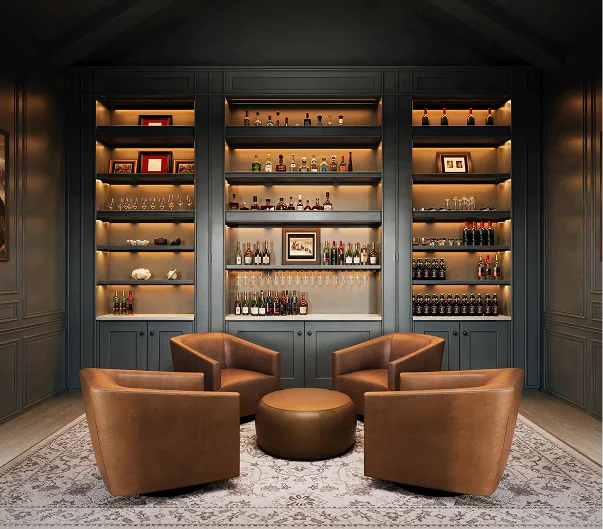
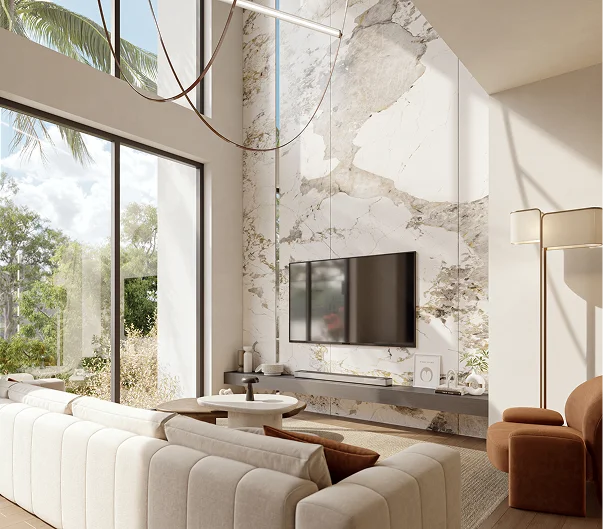
Professional rendering studios carefully design lighting to replicate real-world conditions, ensuring that shadows, reflections, and highlights behave naturally. This attention to detail transforms a simple digital model into a convincing visual representation of a future building or interior.
Understanding how lighting works in 3D rendering helps architects, developers, and designers better communicate their ideas and create visuals that inspire confidence.

WHY LIGHTNING IS ESSENTIAL FOR REALISTIC RENDERING
Lighting directly influences how viewers interpret architectural spaces. It affects contrast, color perception, and spatial depth.
Key aspects include:
- Natural shadows that add depth and realism
- Accurate light reflection on materials such as glass, metal, and stone
- Balanced exposure that prevents scenes from looking flat or overexposed
- Atmosphere creation that communicates mood and environment
Without proper lighting, even high-resolution renders may feel unrealistic or visually confusing.