Public relations in real estate is no longer just about press releases and media mentions. For developers, agencies, and agents operating in today’s competitive market, effective PR in real estate builds trust, drives brand visibility, and — most importantly — helps sell properties before they’re even built.
Whether you’re launching a new residential development, repositioning a commercial asset, or growing your agency’s reputation, a well-executed PR strategy shapes how your audience perceives you. This guide covers what PR in real estate actually means, how to build a campaign that delivers results, the role of digital PR in housing, and why visual content — particularly 3D visualization — has become one of the most powerful PR tools available.
What Is PR in Real Estate?
Public relations in real estate is the practice of managing a company’s or property’s reputation through strategic communication with media, buyers, investors, and the broader public. Unlike advertising, which involves paid placements, PR earns attention — through media coverage, expert commentary, thought leadership content, and community presence.
For real estate developers, PR builds credibility around projects that don’t yet exist physically. For agents and brokers, it creates trust and positions them as local market experts. For agencies and investment firms, it shapes the brand story that attracts both clients and talent.
There are two distinct layers of property PR:
- Business-wide PR focuses on the company’s overall reputation — its values, leadership, track record, and market positioning.
- Property-specific PR is campaign-driven — designed to generate interest, coverage, and inquiries around a specific listing or development.
Both require a clear strategy, consistent messaging, and high-quality content that media outlets actually want to publish.
PR Strategies for Real Estate Businesses
Building a strong brand reputation in real estate takes time and consistency. These are the core strategies that work.
Brand Positioning and Thought Leadership
Every real estate company needs a clear brand story — whether that’s luxury living, sustainable development, or community-first design. This story should run through every piece of content you publish, every event you attend, and every interview you give.
Thought leadership content — market analysis, trend forecasts, buyer guides — positions your team as the go-to experts in your niche. Regular contributions to industry publications, webinars, and panel discussions reinforce that positioning and generate organic press mentions over time.
Media Relations
Consistent media coverage doesn’t happen by accident. It requires building genuine relationships with journalists who cover real estate — from national outlets like Forbes Real Estate and Mansion Global to local business press and neighborhood publications.
The most effective approach: be a reliable source. Offer timely commentary on market trends, provide exclusive data, and make yourself available for interviews. Journalists remember sources who deliver. Public relations real estate development depends heavily on this kind of ongoing relationship.
Community Engagement
Local presence matters — especially for residential developers and agencies working in specific markets. Participation in sustainability initiatives, sponsorship of local events, and investment in community projects all generate positive media coverage and strengthen brand perception.
Community-driven stories are also highly shareable, which extends their PR value well beyond the initial publication.
PR Strategies for Property Listings and Developments
When the goal is generating interest in a specific property or development, the approach shifts from brand-building to campaign-driven storytelling.
Create a Compelling Property Narrative
Every property has a story — and the most successful PR campaigns lead with it. Instead of listing square footage and amenities, focus on the lifestyle the property enables: the neighborhood’s energy, the design philosophy, the experience of living or working there.
Press releases built around a strong narrative get picked up. Generic spec sheets don’t. For pre-construction projects in particular, storytelling is the primary tool for generating early interest and investor confidence.
Target the Right Audience
A luxury penthouse campaign and a first-time buyer development require completely different messaging, media channels, and influencer partnerships. Luxury buyers respond to aspirational content in high-end publications; first-time buyers engage more with practical, transparent communication across social media and community platforms.
Effective property PR maps the target audience first, then selects the channels, tone, and content formats accordingly. Niche publications and targeted media outreach consistently outperform broad, untargeted campaigns.
Visual Content as a PR Tool
This is where most real estate PR campaigns either win or lose. High-quality visual content is the foundation of every successful campaign — because media outlets publish what looks compelling, and audiences share what stops them mid-scroll.
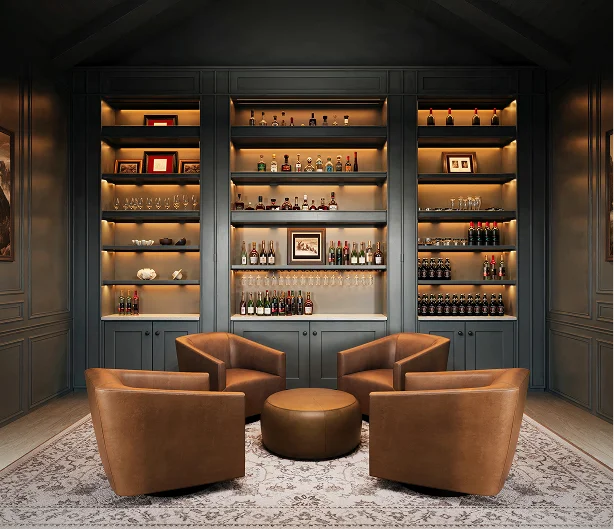
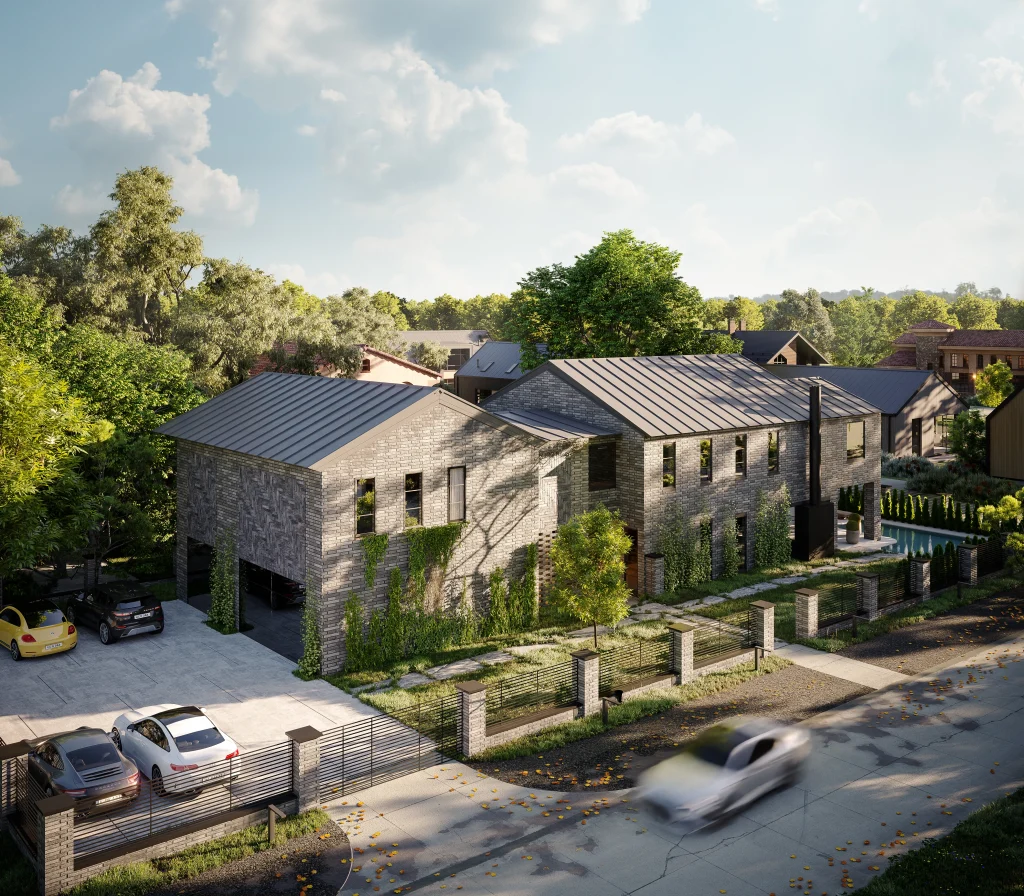
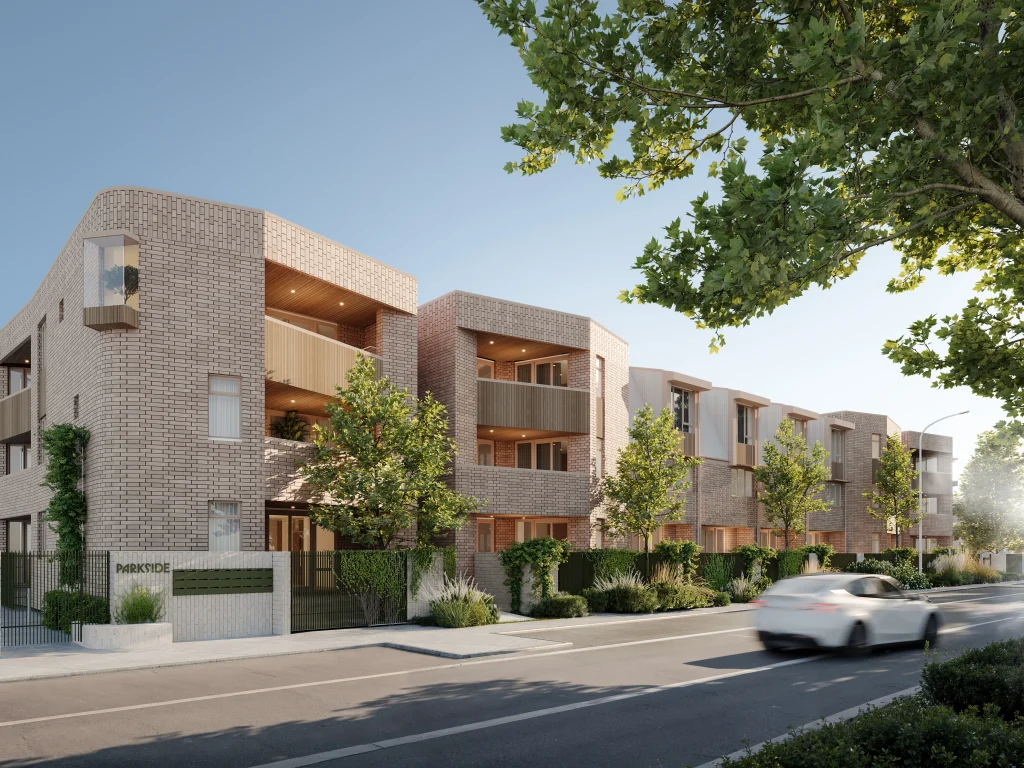
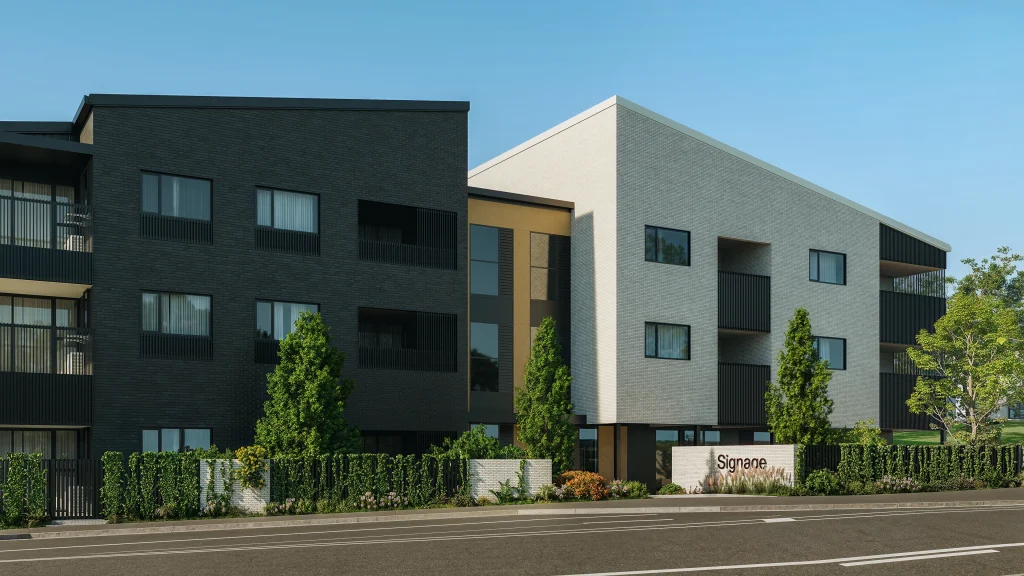
For pre-construction projects, photorealistic 3D renders are the only way to show what doesn’t yet exist. Floor plans, exterior renders, interior visualizations, and virtual tours give journalists, buyers, and investors something concrete to engage with — before a single brick is laid.
Studios like Coralo Render create photorealistic 3D visuals that real estate companies use in press kits, social media campaigns, and investor presentations — making every PR touchpoint more compelling.
3D Interior Rendering, 3D Exterior Rendering, and 3D Virtual Tours have all become standard components of high-performing real estate PR campaigns precisely because they close the gap between concept and conviction.
Measuring PR Success in Real Estate
PR without measurement is just noise. Tracking the right metrics ensures your campaigns are delivering real value — and gives you the data to improve them over time.
For brand-level PR:
- Brand mentions and media coverage (volume and sentiment)
- Website traffic from PR-driven sources (direct, referral, organic uplift)
- Social media engagement and follower growth across key channels
- Share of voice compared to competitors in your market
For property-specific campaigns:
- Lead generation and direct property inquiries
- Media pickups — how many outlets covered the story
- Virtual tour views, engagement time, and click-through rates
- Investor presentation requests and pre-sales conversions
The key principle: set KPIs before the campaign launches, not after. Knowing what success looks like from the start makes it far easier to optimize mid-campaign and report results clearly to stakeholders.
Looking to Elevate Your Next Real Estate PR Campaign?
High-quality 3D visuals are the difference between a press kit that gets ignored and one that gets published. From photorealistic exterior renders to immersive virtual tours and 3D floor plans — Coralo Render helps developers, architects, and agencies create visual content that makes every PR touchpoint more compelling.
Get in touch to discuss your next project.
Frequently Asked Questions
What is PR in real estate?
PR in real estate is the strategic management of a company’s or property’s public reputation through media relations, content, events, and community engagement. It builds trust and brand visibility without paid advertising, earning attention through credibility and compelling storytelling.
How is PR different from marketing in real estate?
Marketing drives direct action such as ads, listings, and lead generation campaigns, while PR builds reputation and earned media coverage over time. PR creates a credibility foundation that makes all other marketing more effective.
Do real estate agents need PR?
Yes, especially in competitive local markets. PR helps agents build recognition, establish expertise, and generate referrals through media exposure and thought leadership.
How much does a real estate PR campaign cost?
Costs vary depending on scope and market. A targeted campaign may range from $2,000 to $10,000 or more, while ongoing PR retainers typically start from $3,000 to $5,000 per month. Visual content production is usually a separate cost.
What role does 3D visualization play in real estate PR?
3D visualization provides visual assets for PR campaigns, especially for pre-construction projects. Photorealistic renders, floor plans, and virtual tours make content more engaging and help communicate ideas clearly to media, buyers, and investors.
What is digital PR in housing?
Digital PR in housing combines media outreach with online channels, including real estate websites, news platforms, and blogs. It helps build backlinks, improve search visibility, and create shareable content for social media.