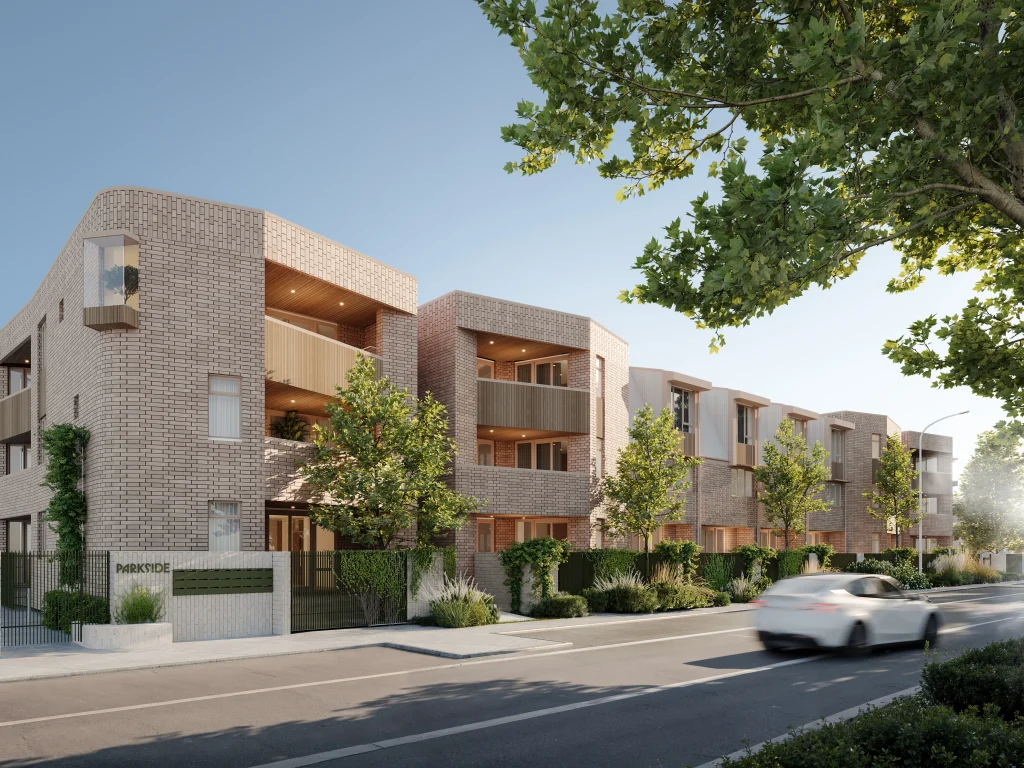
Miami’s real estate market operates at a different pace than most US cities. International buyers, pre-construction sales, and a highly competitive development landscape mean that architects and developers here need visuals that work harder — not just to show what a building looks like, but to close deals before it’s built.
At Coralo Render, we work with architects, developers, and designers on projects across Miami and South Florida. This guide covers what 3D rendering services are used for in the Miami market, which project types benefit most, and what to look for when choosing a visualization studio for your next development.
Why Miami’s Real Estate Market Relies on 3D Rendering
Most cities use 3D rendering as a useful addition to the design and sales process. In Miami, it functions as a core business tool. Three structural features of Miami’s real estate market explain why.
International Buyers Make Decisions Remotely
Miami is one of the most internationally oriented real estate markets in the United States. A significant share of buyers — particularly in the condo segment — come from Latin America, Canada, and Europe. Many of them purchase property without visiting in person, making their decisions based entirely on marketing materials, virtual presentations, and remote consultations.
For a developer, this creates a direct dependency on visual quality. Photorealistic 3D renders and interactive virtual tours replace the in-person site visit for these buyers. A project with strong visualization generates inquiries from international markets that a project with floor plans and brochures simply cannot reach.
Pre-Construction Sales Drive the Condo Market
Miami’s condo development cycle is built around pre-construction sales. Developers routinely sell units — sometimes entire floors — before groundbreaking. Financing structures, construction timelines, and project feasibility often depend on achieving pre-sale targets before work begins.
The only way to show a buyer what they are purchasing at this stage is through architectural visualization. Photorealistic 3D renderings are not a marketing enhancement for Miami condo developments — they are the primary sales instrument. A development without compelling renders is a development that struggles to move pre-construction inventory.
The Market Is Too Competitive for Average Visuals
In Brickell, Edgewater, Wynwood, and Miami Beach, dozens of projects compete for attention from the same pool of buyers and investors simultaneously. In this environment, visual quality is a direct competitive variable. A project that looks better in its marketing materials attracts more qualified inquiries, generates stronger interest at broker events, and commands more credibility with institutional investors.
The practical implication is that average renders — technically acceptable but visually unremarkable — underperform in Miami’s market in ways that may not be obvious in a less competitive city.
Types of 3D Rendering Most Used in Miami Projects
Miami’s architectural and real estate landscape generates demand for several distinct rendering formats. Each serves a different purpose in the development and sales process.
Exterior Rendering for High-Rises and Condos
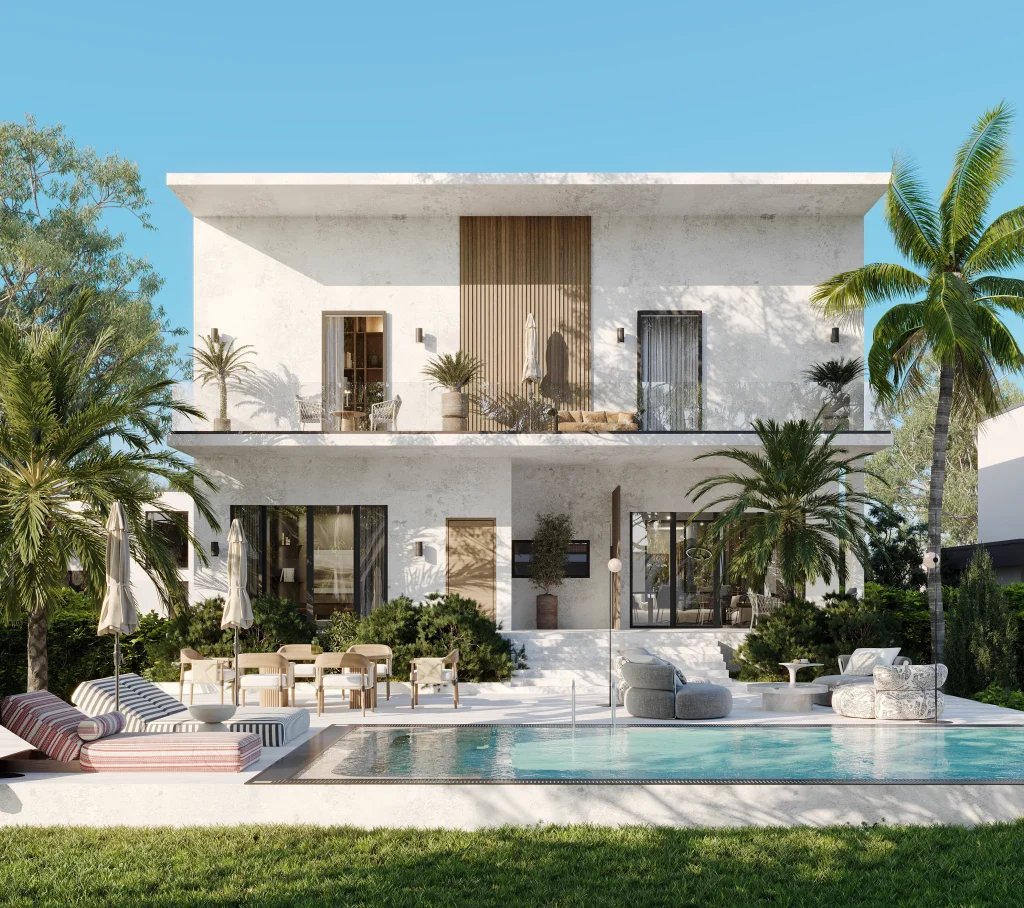
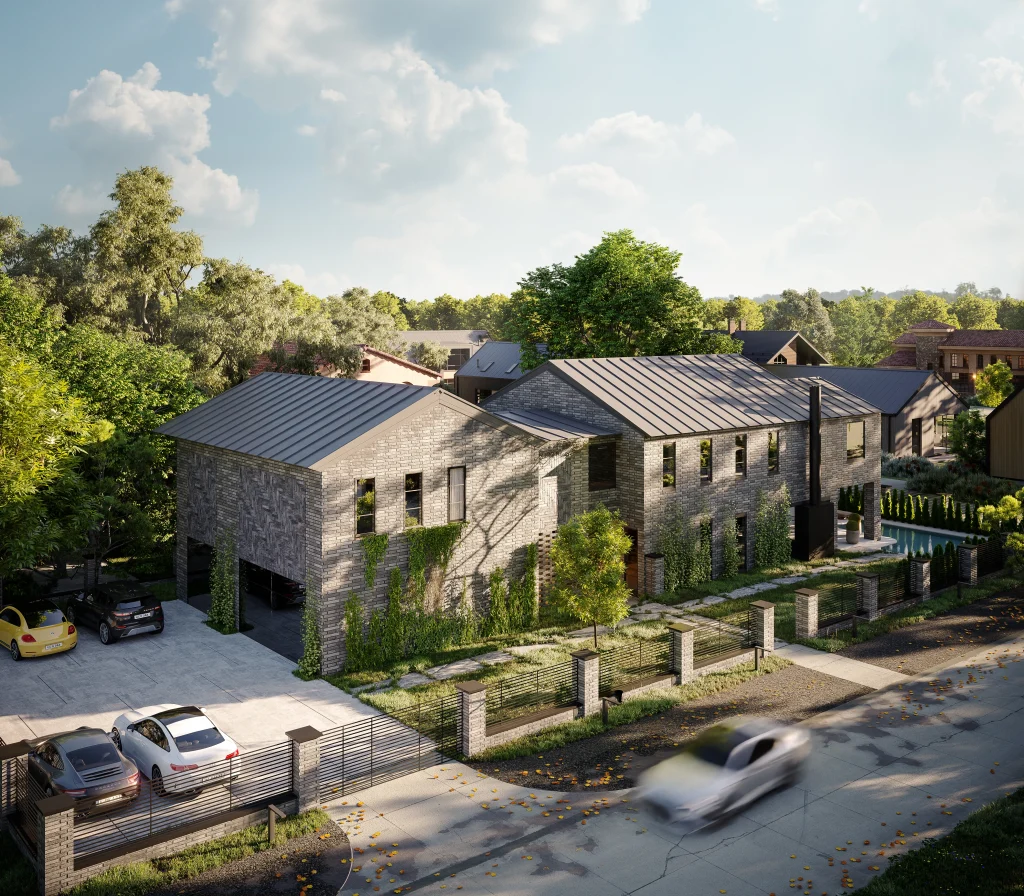
Exterior architectural rendering is the most in-demand format in Miami’s development market. Highrise towers in Brickell, waterfront condos in Edgewater, luxury villas in Coral Gables, and mixed-use developments in Wynwood all require photorealistic exterior renders for investor presentations, sales center displays, and marketing campaigns.
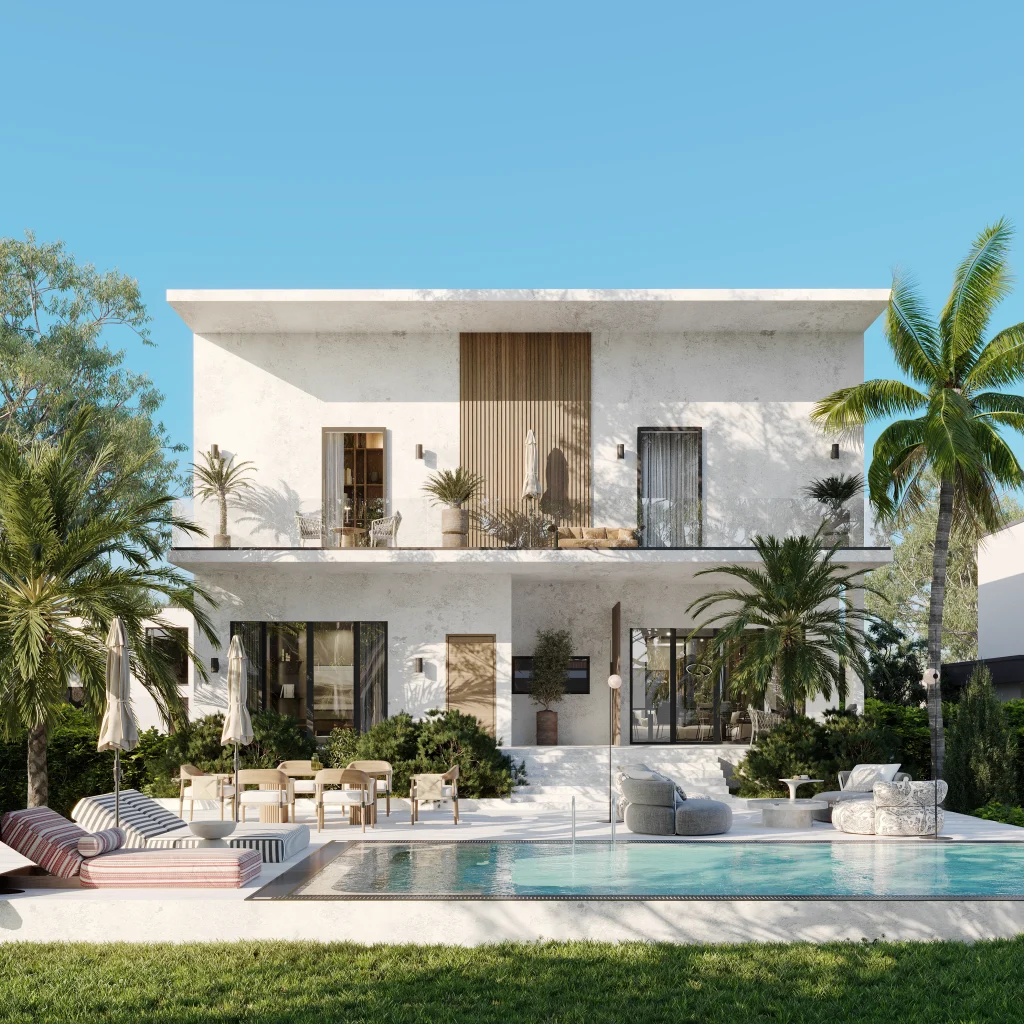
What distinguishes a strong Miami exterior render from a generic one is the handling of environmental context: the intensity of Florida’s natural light, the reflection off Biscayne Bay, the interaction between glass facades and tropical vegetation, the way pools and landscaping integrate with the building’s exterior. These details are specific to South Florida’s visual environment and require deliberate attention to get right.
Explore 3D Exterior Rendering services for architectural and development projects.
Interior Rendering for Luxury Residential and Hospitality
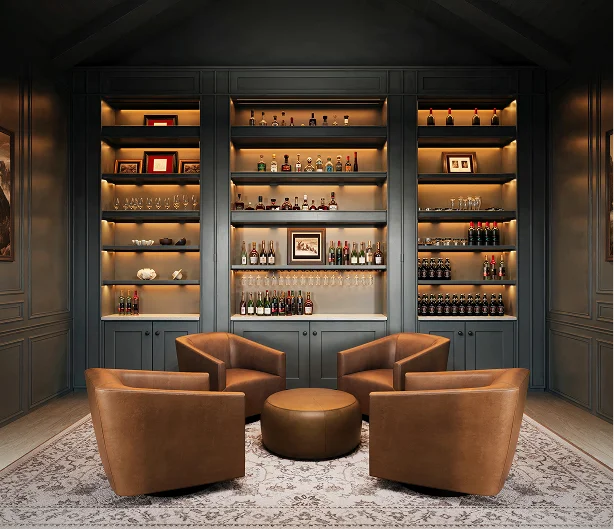
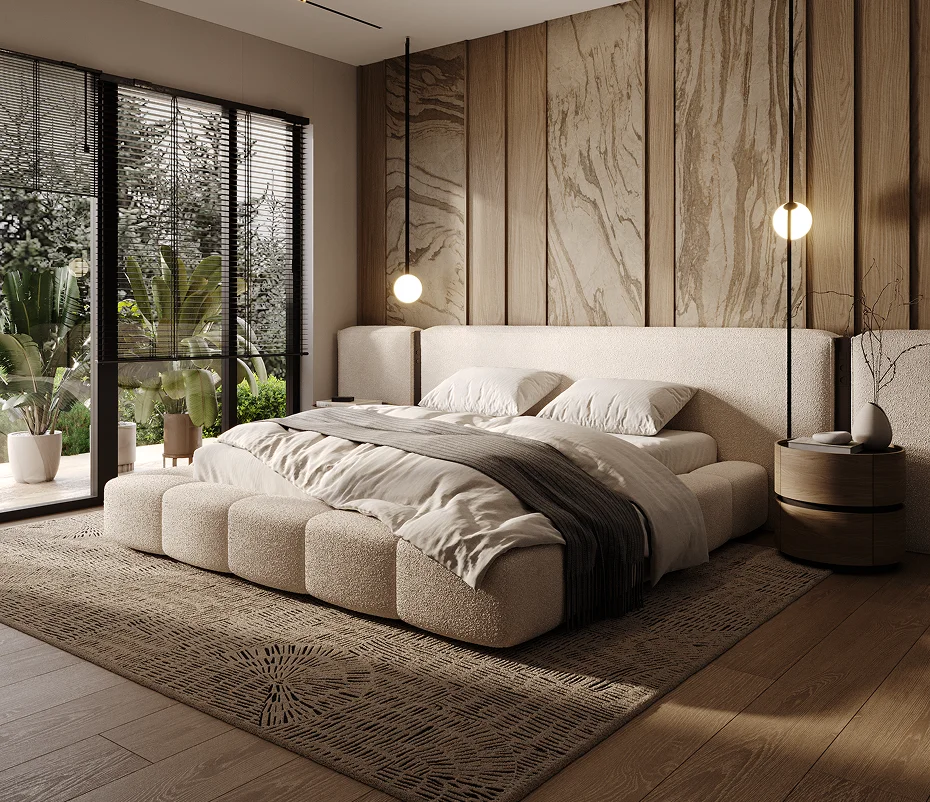
Miami’s luxury residential and hospitality segment — Fisher Island residences, South Beach boutique hotels, Coconut Grove penthouse apartments, Brickell luxury condos — requires interior renders that communicate atmosphere and material quality, not just spatial layout.
Interior rendering allows designers and developers to show clients the finished result before construction or renovation begins, securing approvals and reducing costly changes mid-project. For hospitality projects, renders are also used in investor decks and brand presentations to communicate the intended guest experience before the property exists.
Explore 3D Interior Rendering services for residential and commercial projects.
3D Floor Plans for Pre-Sale Marketing
For condo and residential developers in Miami, 3D floor plans are a standard component of the pre-sale marketing package. They communicate spatial layout in a way that technical 2D drawings cannot — particularly for international buyers who may be unfamiliar with American floor plan conventions or who are evaluating multiple units across different developments simultaneously.
A well-produced 3D floor plan shows furniture placement, room proportions, and the relationship between spaces in a format that non-technical buyers can read immediately. This reduces the time a sales agent needs to spend explaining the plan and increases buyer confidence in the purchase decision.
Explore 3D Floor Plans for development and pre-sale marketing.
Virtual Tours for Remote Buyers
Given the volume of remote and international buyers in Miami’s market, interactive 3D virtual tours have become a practical sales tool rather than a novelty. A buyer in São Paulo, Toronto, or Madrid can navigate through an apartment or villa in a browser — moving between rooms, looking around, and assessing the space — without traveling.
For developments targeting international investor markets, virtual tours provide a level of spatial understanding that static renders cannot fully replicate. They also extend the sales reach of a development beyond the events and broker meetings that require physical attendance.
Explore 3D Virtual Tours for residential and commercial projects.
Miami Architecture: What Makes Visualization Here Different
Understanding what distinguishes Miami’s architectural context matters when evaluating a visualization studio’s capability to handle your project accurately.
Tropical Light and Waterfront Context
Florida’s natural light behaves differently from what most US rendering studios work with regularly. The sun angle, the intensity and color of direct sunlight, the way light reflects off water bodies — Biscayne Bay, the Intracoastal, residential pools — and the behavior of shadows under heavy tropical vegetation all require specific handling in a render.
A studio with strong experience in northern or interior US markets may produce technically competent renders that simply don’t look like Miami. The quality of a render’s environmental lighting is one of the clearest indicators of whether a studio understands the specific visual context of South Florida architecture.
Architectural Diversity — From Art Deco to Glass Towers
Miami’s built environment spans an unusually wide range of architectural styles within a relatively compact geography. Art Deco landmarks define South Beach’s Collins Avenue. Mediterranean Revival architecture characterizes Coral Gables. Mid-century modern sits alongside contemporary glass and steel towers in Miami Beach and Brickell. Wynwood’s warehouse conversions require a completely different visual approach than a luxury waterfront tower in Sunny Isles Beach.
Each of these styles has distinct rendering requirements. Material behavior differs — stucco reads differently from glass curtain wall; terracotta tile reads differently from polished concrete. Lighting approaches differ. The level of architectural ornament that needs to be captured differs. A rendering studio that treats all project types with the same approach will produce results that look generic regardless of the quality of the underlying work.
Waterfront and Outdoor Living Integration
Miami real estate is defined by its relationship to outdoor living. Terraces, pools, waterfront views, and the seamless connection between interior and exterior spaces are not incidental features — they are often the primary reason buyers pay a premium for a specific property.
A render that doesn’t capture this indoor-outdoor integration accurately misses the core of what makes Miami real estate desirable. Floor-to-ceiling glass that frames a Biscayne Bay view, a rooftop pool that reflects the Miami skyline, a ground-floor terrace that connects to a garden — these elements require the same level of attention and skill as the interior finishes themselves.
What to Look for in a 3D Rendering Studio for Miami Projects
Choosing the right visualization studio for a Miami project involves a few specific considerations beyond general portfolio quality.
Portfolio with relevant project types. A studio that primarily renders suburban single-family homes will approach a Miami highrise condo differently than a studio with experience across development types. Look for portfolio work that matches your project — exterior towers, luxury interiors, waterfront properties, or mixed-use developments.
Experience with tropical and coastal environments. Ask to see exterior renders that include water, pools, and heavy tropical vegetation. The quality of these elements is a reliable indicator of whether a studio understands South Florida’s specific visual context or is applying a generic approach.
Turnaround times that match Miami’s development pace. Pre-construction sales windows, investor presentation deadlines, and marketing campaign launches operate on fixed schedules that don’t accommodate open-ended timelines. Confirm realistic delivery windows before engaging a studio.
Clear revision process. Architectural visualization is iterative. A studio with a transparent revision policy allows you to refine the output without unexpected costs or friction. Understand what’s included in the base scope and what triggers additional charges before work begins.
Coralo Render works with architects, developers, and designers on 3D rendering projects across Miami and South Florida — from individual residential renders to full development visualization packages. Browse our portfolio to see recent work across project types.
Ready to Start Your Miami Rendering Project?
Working on a development in Miami and need professional 3D rendering? From pre-construction condo visualizations to luxury interior renders and virtual tours — Coralo Render delivers photorealistic results built for Miami’s market. Get in touch to discuss your project.
Frequently Asked Questions
What 3D rendering services are used for Miami real estate projects?
The most common services are exterior architectural renders for highrise and condo developments, interior renders for luxury residential and hospitality projects, 3D floor plans for pre-sale marketing, and virtual tours for remote and international buyers. Animation is used for large-scale development marketing and investor presentations.
Why is 3D rendering especially important for Miami’s real estate market?
Miami’s condo market relies heavily on pre-construction sales to international buyers who often purchase remotely. Without photorealistic 3D renderings, developers have nothing to show buyers before the building exists. Quality visualization directly impacts a project’s ability to attract buyers and close pre-construction deals in a highly competitive market.
How long does a 3D rendering project take for a Miami development?
A standard exterior or interior render typically takes 3–5 business days depending on complexity and number of views. Floor plans are similar in timeline. Virtual tours and animations require longer production time. Rush timelines are available for time-sensitive projects — contact Coralo Render to discuss your deadline.
What files are needed to start a 3D rendering project in Miami?
CAD drawings, floor plans, or detailed architectural sketches with accurate dimensions. Supporting materials include finish specifications, material references, and site context details. For Miami projects specifically, waterfront orientation, sun angle, and landscaping context are often central to the render and should be addressed in the brief.
Can 3D renderings be used for Miami-Dade building permit applications?
Yes. Architectural visualizations and renderings are regularly submitted as part of design presentation packages for planning and zoning approvals in Miami-Dade County. They help review boards understand the visual impact of a proposed development within its local context — particularly relevant for projects in historic districts or waterfront zones with specific design guidelines.
How much does 3D rendering cost for a Miami project?
Pricing depends on the project type, number of views, output format, and whether 3D modeling is required from scratch. A single photorealistic exterior render typically starts at a few hundred dollars. Contact Coralo Render for a project-specific quote based on your scope and timeline.