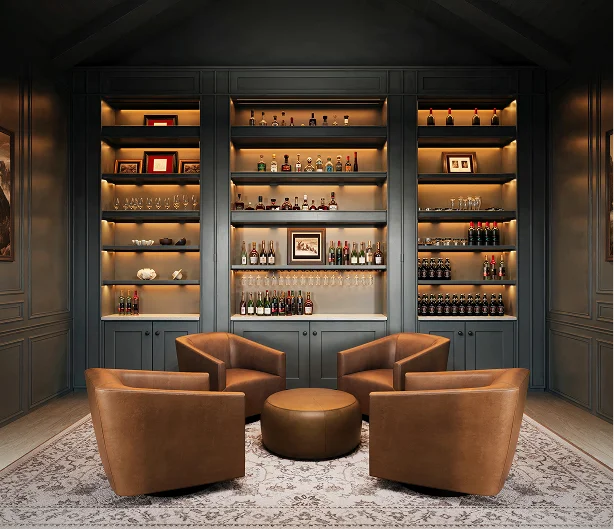
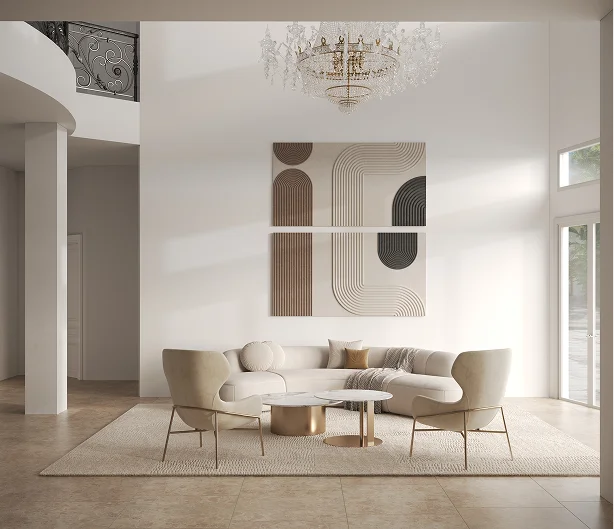
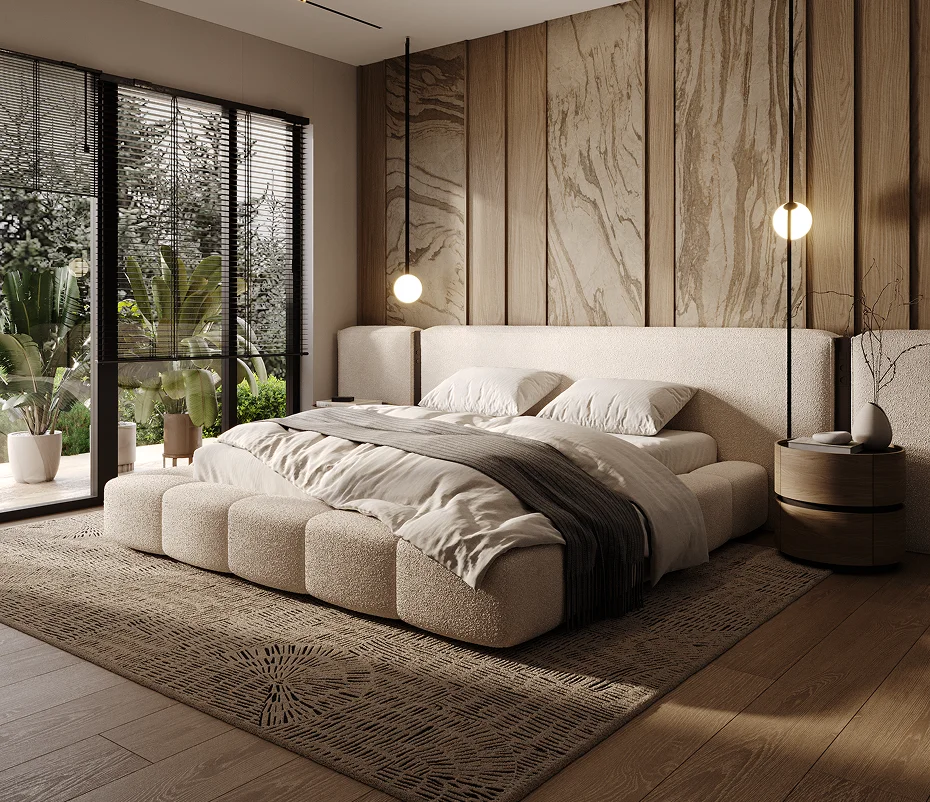
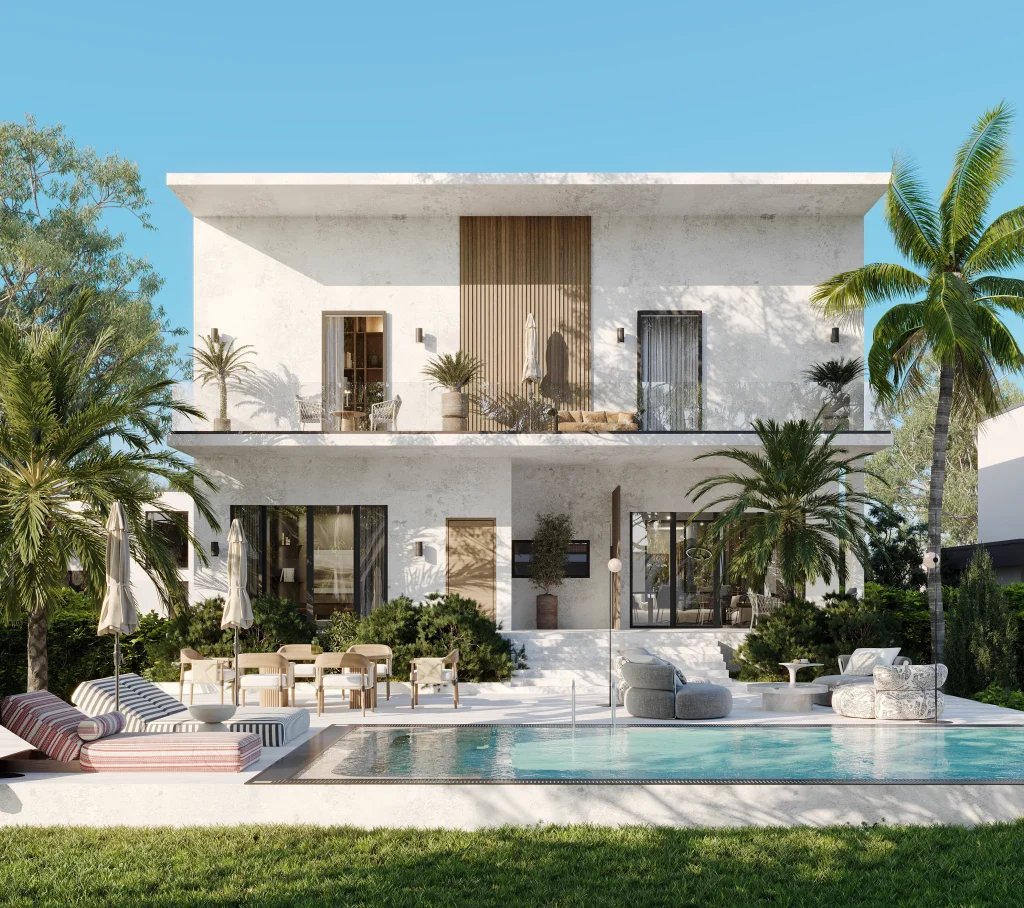
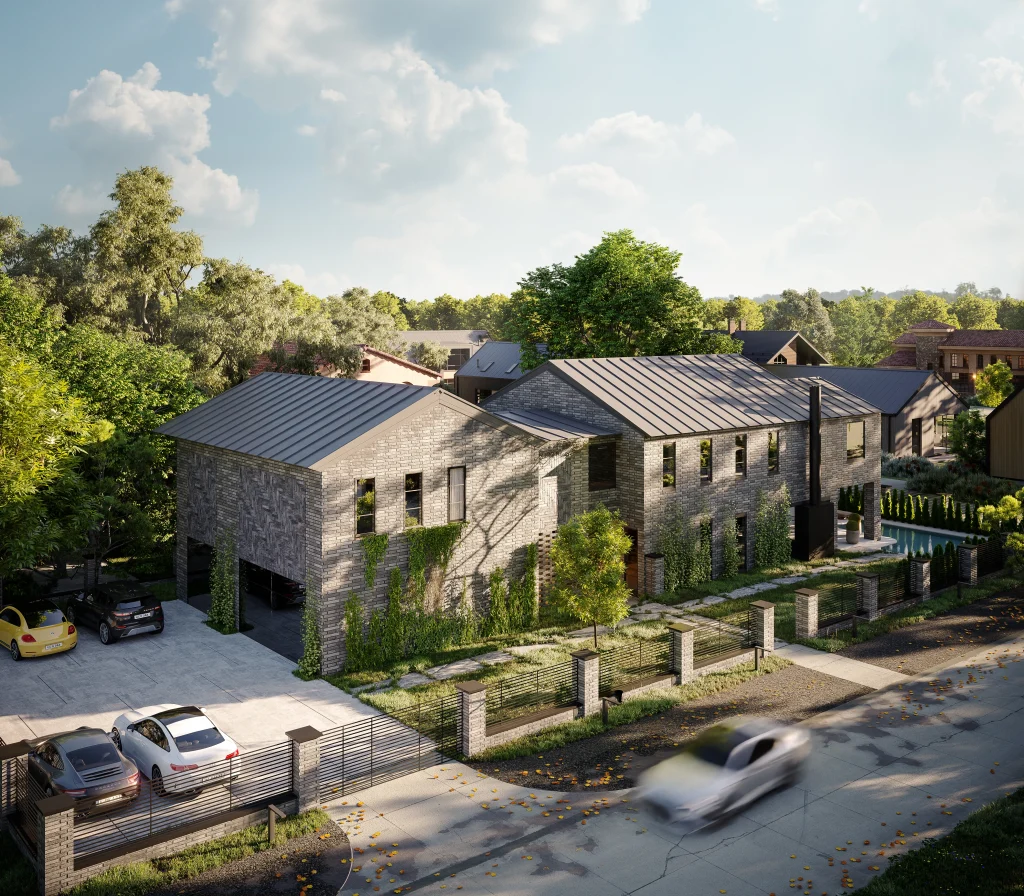
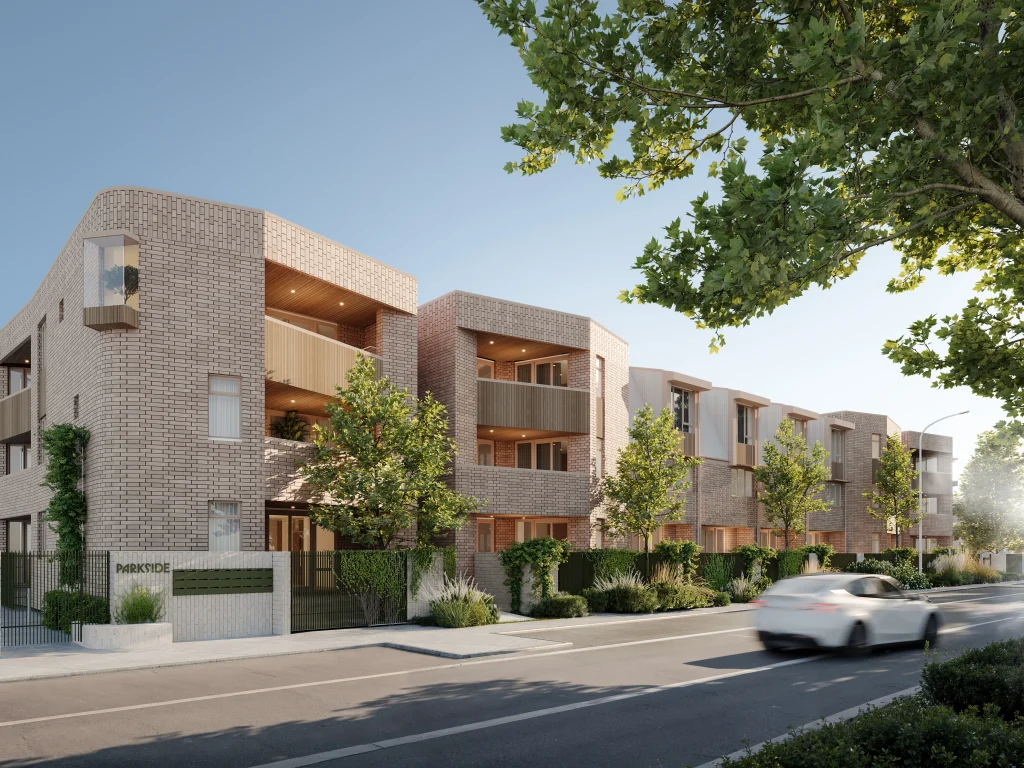
Interior designers work with spaces that don’t yet exist. Communicating a design vision through 2D drawings or mood boards often leaves clients uncertain — and uncertainty leads to revisions, delays, and frustration on both sides. 3D visualization for interior design solves this directly: it translates a concept into something clients can actually see, evaluate, and approve.
At Coralo Render, we work with interior designers and design firms to transform finished floor plans and design concepts into photorealistic 3D images, virtual tours, and animations that make every design decision immediately clear. This guide covers the key benefits of interior visualization — and why it has become a standard part of the professional design workflow.
What Is 3D Interior Visualization?
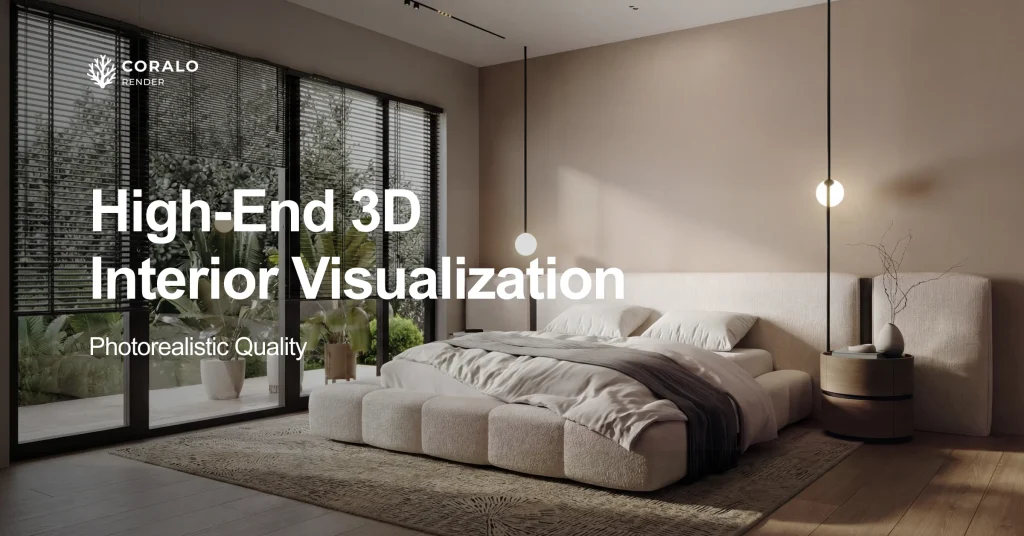
3D interior visualization is the process of creating photorealistic three-dimensional images of an interior space based on a designer’s floor plan, material specifications, and lighting preferences — before the space is physically built or renovated.
Unlike a 2D floor plan or a hand-drawn sketch, a 3D render shows the actual result: how materials interact, how light moves through the space, how proportions feel at eye level. Clients don’t need to interpret technical drawings — they see the finished design directly.
Interior visualization can be delivered in multiple formats depending on the project’s needs: still photorealistic renders, top-down 3D floor plans, interactive virtual tours, or full walkthrough animations. Each format serves a different purpose, from client approval to real estate marketing — but all share the same foundation: turning a designer’s vision into something tangible before construction begins.
Key Benefits of 3D Visualization for Interior Designers
3D visualization gives interior designers a competitive advantage at every stage of the project — from initial presentation to final client approval. Here are the benefits that matter most in practice.
Clients See the Result, Not the Drawing
The most common source of post-project frustration in interior design isn’t poor craftsmanship — it’s the gap between what a client imagined and what was actually built. Clients look at a floor plan, nod along, and genuinely believe they understand the design. Then they walk into the finished space and say: “I thought it would feel more open” or “I didn’t realize the cabinets would be that dark.”
3D interior rendering closes this gap entirely. A photorealistic render shows the exact materials, light behavior, and spatial proportions of the design — before a single wall goes up. Studios like Coralo Render deliver renders that give clients a realistic preview they can respond to with confidence, not just interpretation.
The result: fewer surprises at handover, fewer post-construction change requests, and a smoother client relationship from start to finish.
Faster Project Approvals and Fewer Revision Cycles
Explaining a design concept in words takes time and rarely lands cleanly. “The kitchen will feel warm and open” means something different to every client. A photorealistic image communicates in seconds what an hour of verbal explanation cannot.
For interior designers managing multiple projects simultaneously, this efficiency compounds significantly. When a client can see exactly what they’re approving, the sign-off process shortens from weeks to days. Fewer revision cycles mean lower project overhead and higher margins — which means 3D visualization pays for itself not just in client satisfaction, but in business performance.
The comparison is straightforward: two weeks of revisions after construction is complete versus one render before it begins, with approval in a single meeting.
Spot Design Issues Before Construction Begins
A 2D floor plan cannot show you that the kitchen island is slightly too wide for comfortable circulation. It cannot show you that the pendant lights you specified will create glare on the dining table. It cannot show you that the warm-toned flooring clashes with the cool-grey cabinetry when they’re seen together in context.
In 3D, all of these problems are immediately visible — and fixing them costs nothing but time. Fixing them after construction costs thousands of dollars and weeks of delays.
Photorealistic interior rendering gives designers the ability to stress-test a design before it’s built: checking proportions, assessing lighting at different times of day, confirming material combinations work as intended. This isn’t just a client communication tool — it’s a quality control step that protects the designer’s reputation.
Stand Out with a Stronger Portfolio
A designer’s portfolio is their primary business development tool. Potential clients browse portfolios before making contact — and they respond to visuals, not credentials.
Photorealistic renders outperform standard photography in one important way: they show the design at its absolute best. Perfect lighting, ideal camera angles, precisely the right moment in the space. No compromises from real-world construction quality, no unflattering midday light, no builder’s clutter in the background.
Interior designers who use professional 3D visualization consistently build portfolios that position them in the premium segment of the market. The quality of the visual signals the quality of the work — and clients in the luxury and high-end residential space make decisions based on exactly that signal.
A Powerful Marketing Tool for Pre-Sale and Pre-Construction
For interior designers working with developers, property managers, or high-end residential clients on new builds, 3D visualization isn’t optional — it’s the only way to market a space that doesn’t yet exist.
Photorealistic interior renders are used across sales brochures, real estate listings, social media campaigns, and investor presentations to generate interest, qualify buyers, and accelerate decisions before construction begins. The alternative — waiting for a finished space before marketing — means months of lost opportunity.
Explore Coralo Render’s 3D Interior Rendering services to see how we approach interior visualization for pre-construction and development projects.
What Types of 3D Interior Visualization Does a Designer Need?
Not every project requires the same output. Understanding the available formats helps designers choose the right tool for each situation — and brief their visualization studio accurately.
Still Renders The most common format. Photorealistic images from one or more camera angles, showing the space as it will appear when finished. Ideal for client presentations, portfolio use, and marketing materials. The fastest and most cost-effective option, and the right starting point for most projects.
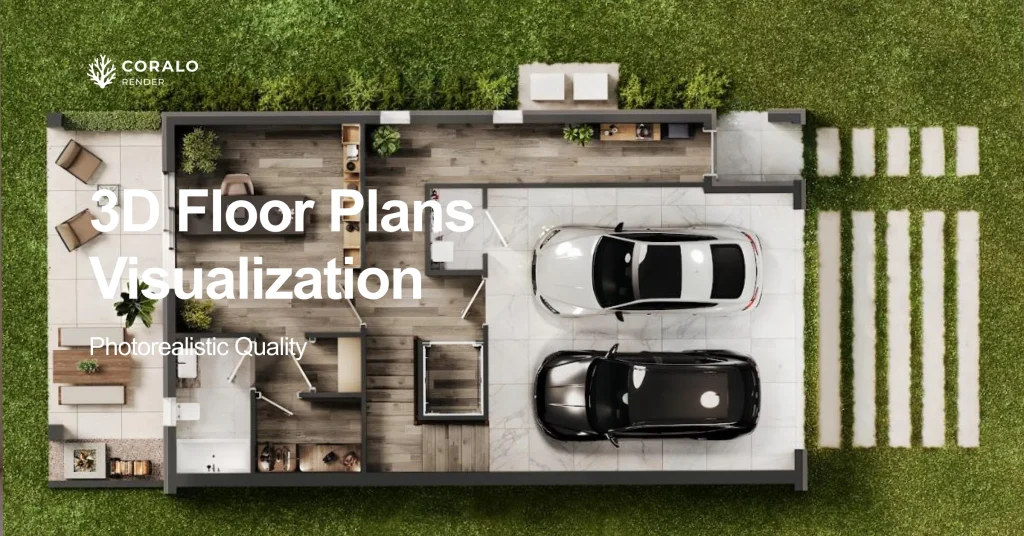
3D Floor Plans A top-down view of the space with three-dimensional furniture, materials, and finishes applied. Particularly useful for communicating spatial layout and furniture placement to clients who struggle with traditional flat floor plans. Explore Coralo Render’s 3D Floor Plans service for residential and commercial interior projects.
Virtual Tours An interactive experience that lets clients navigate through the space in a web browser — moving from room to room, looking around, and experiencing the design at their own pace. Especially effective for luxury residential projects, remote clients who cannot attend an in-person presentation, and high-value commercial interiors where the client experience matters. See Coralo Render’s 3D Virtual Tours .
3D Animations A cinematic walkthrough of the space, delivered as a video. Used for investor presentations, developer marketing, social media content, and any context where the goal is to create an emotional response to the design. View examples in Coralo Render’s 3D Animation portfolio.
The right combination depends on the project’s budget, audience, and purpose. Many designers use still renders for internal approval and virtual tours or animations for marketing — getting multiple uses from a single visualization investment.
How the Process Works: From Floor Plan to Finished Render
The workflow from interior design to finished 3D visual is more straightforward than most designers expect — and requires less from the designer’s side than is often assumed.
Step 1 — Provide your project files. Floor plan or CAD drawing, elevation views, material and finish specifications, and reference images that communicate the intended style and mood. The more detail provided upfront, the more accurate the first-round output.
Step 2 — Brief the studio on style and mood. Camera angles, preferred lighting conditions, time of day, and level of finish detail. A precise brief reduces revision rounds and shortens delivery time significantly.
Step 3 — The studio builds a precise 3D model. Every dimension from the floor plan is replicated — furniture placement, ceiling heights, window positions, built-in elements. The model is the foundation everything else is built on.
Step 4 — Materials, lighting, and details are applied. Real-world material libraries, natural and artificial lighting setups, and fine details like hardware, textiles, artwork, and surface textures bring the model to life. This is where a photorealistic result separates itself from a basic 3D image.
Step 5 — Final deliverables are produced. Depending on the project brief: photorealistic still images, a 3D floor plan view, an interactive virtual tour, or a walkthrough animation.
This is the workflow at Coralo Render — take your finished interior design and turn it into visuals that clients, developers, and buyers immediately understand. Browse our Portfolio to see recent interior visualization projects across residential, commercial, and hospitality categories.
Ready to Visualize Your Interior Design Project?
Working on an interior design project that needs professional visualization? From photorealistic renders to 3D floor plans and virtual tours — Coralo Render helps designers present their work with confidence and win client approvals faster. Get in touch to discuss your project.
Frequently Asked Questions
What is 3D interior visualization?
3D interior visualization is the process of creating photorealistic images of an interior space from architectural drawings and material specifications — before construction or renovation begins. It gives clients a realistic preview of the finished design, helping designers win approvals and avoid costly post-construction changes.
How does 3D visualization help interior designers win more clients?
High-quality photorealistic renders make a designer’s portfolio significantly more compelling. Clients browsing for a designer respond to visuals, not technical drawings. A strong CGI portfolio signals professionalism, design capability, and investment in quality — all of which attract premium clients.
What do I need to provide to get 3D interior renders?
A floor plan or CAD drawing, elevation views, material and finish specifications, and reference images for style and mood. The more detailed the brief, the more accurate the first-round output and the fewer revision cycles required.
How long does it take to produce interior 3D renders?
Timelines vary by project complexity and number of views. A standard set of 3–5 photorealistic renders for a residential interior typically takes 5–10 business days. Virtual tours and animations take longer depending on scope. Contact Coralo Render for a project-specific timeline.
What is the difference between a 3D interior render and a virtual tour?
A 3D interior render is a static photorealistic image from a specific camera angle. A virtual tour is an interactive experience where the viewer navigates through the space in a browser. Renders are faster and more cost-effective; virtual tours provide deeper engagement, especially for remote clients or luxury residential projects.
Can 3D visualization be used for marketing before a project is built?
Yes — this is one of its most valuable applications. Developers and designers regularly use photorealistic interior renders in sales materials, real estate listings, and social media content for projects that haven’t broken ground yet. Visualization is often the only way to sell or market a pre-construction interior effectively.
How much do 3D interior rendering services cost?
Pricing depends on the complexity of the space, the number of views, the output format — still images, floor plans, virtual tour, or animation — and the level of detail required. A single photorealistic render for a residential interior typically starts at a few hundred dollars. Contact Coralo Render directly for an accurate quote based on your specific project.